

In the realm of interior aesthetics, color plays a vital role that goes further than mere visual appeal. It has the power to transform spaces, evoke emotions, and create settings that are not only visually appealing but also profoundly comforting. With trends shifting continuously, understanding the art of color can significantly enhance your home and showcase your personal style. Whether you are looking to create inviting spaces for rest or optimize functionality in compact areas, the right color choices can improve your design experience.
This resource dives into the current interior design trends, investigating how color psychology impacts our emotions and the value of natural light in enhancing spaces. From green choices that showcase an eco-friendly lifestyle to simple approaches that favor simplicity, we will cover a variety of topics that appeal to varied tastes and styles. Join us as we explore essential tips and innovative ideas, ensuring your home is not just a setting to live but a haven that resonates with warmth and creativity.
Cozy Areas and Small Space Design
Crafting inviting areas often depends on the careful choice of hues, materials, and furnishings that encourage relaxation and ease. Gentle illumination, warm shades, and luxurious textiles can convert any space into a serene oasis. Adding layered materials, such as throws and cushions, adds dimension and warmth, making spaces feel more welcoming and personal. Choosing pieces with rounded edges rather than sharp lines can also create a more laid-back atmosphere. These elements work in unison to establish an environment that promotes comfort and tranquility.
In compact design, maximizing functionality while maintaining aesthetics is crucial. Ingenious storage solutions, like dual-purpose furniture, can help maintain the area uncluttered. For instance, a chic bench that doubles as a storage unit is both functional and aesthetically pleasing. Utilizing wall-mounted racks can free up floor space while showcasing books and ornaments. Additionally, mirrors can create the illusion of space and light, making small areas feel more open. Careful planning can ensure that all available space is utilized effectively without sacrificing ease or design.
Integrating welcoming decor styles with compact approaches allows for a balanced blend of coziness and utility. Hue choice plays a critical role in this integration; soft shades can make areas feel more expansive, while deeper tones can add richness and warmth. Highlighting ambient light by using sheer window treatments can enhance the inviting ambiance further. Ultimately, combining South Florida Interior Designer encourages the development of inviting areas suitable for unwinding, entertaining, or everyday use, even within the limitations of a small area.
Hue Psychology and Ambient Light
Hue theory plays a crucial role in indoor design, influencing how we feel and interact with our surroundings. Various colors evoke particular emotions; for instance, warm tones like red and amber can instigate a sense of energy and warmth, making spaces feel welcoming. In contrast, cooler hues such as azure and green invoke feelings of calmness and tranquility. Grasping these color associations allows designers to craft spaces that align with the desired mood of a space, enhancing the overall experience for its inhabitants.
Natural light considerably impacts how colors are viewed in a room. The quality, brightness, and direction of light can alter the way colors appear throughout the day. For example, a bright red wall may seem less intense in the early morning light but can exude warmth during the golden hours of sunset. To maximize Luxury Interior Designers South Florida of hue, it is crucial to take into account the amount of ambient light a room receives and how it interacts with selected color schemes. This interplay helps design not only visually appealing areas but also settings that encourage specific emotions and atmospheres.
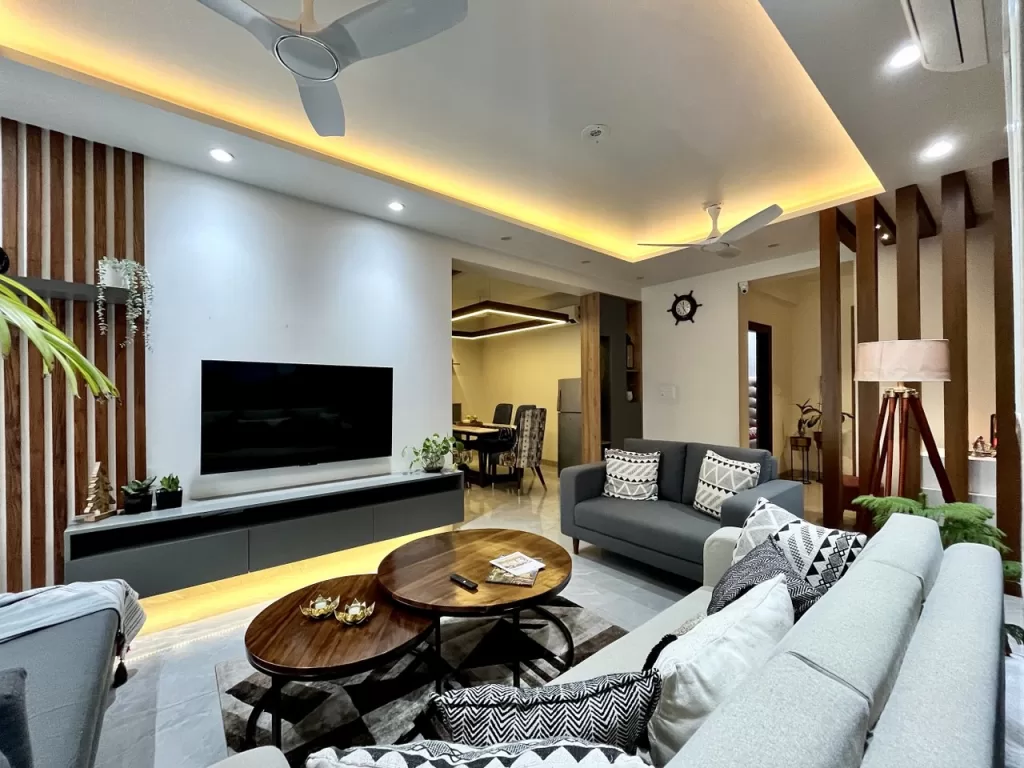
Integrating natural light into a design can improve the effects of hue, making spaces feel larger and more welcoming. By thoughtfully positioning mirrors, utilizing sheer window coverings, and choosing light-reflective materials, designers can enhance the favorable aspects of ambient light. When combined with thoughtful hue choices that correspond with the desired purpose of each room, this approach creates a harmonious environment that encourages well-being, efficiency, and emotional health.
Eco-friendly and Contemporary Styles
Eco-conscious interior design is increasingly fashionable as more people recognize the impact of their choices on the planet. This approach centers around using green materials, energy-efficient appliances, and sustainable practices throughout the design process. Designers are now incorporating reclaimed wood, recycled metal, and environmentally safe paints into their projects. By emphasizing sustainability, homeowners not only support the health of the planet but also create spaces that showcase their principles and enhance their living experience.
Contemporary trends in interior design often blend practicality and aesthetics, with an emphasis on minimalism and open spaces. Minimalist design principles coincide well with sustainable practices, advocating for the use of less high-quality pieces rather than excessive decor. This approach allows for a tidy environment that fosters mindfulness and relaxation. The inclusion of technology into contemporary homes also facilitates efficiency and sustainability, making smart home solutions a key aspect of contemporary design.
As we embrace the essence of nature-inspired design, integrating natural elements into our living spaces has gained popularity. This trend highlights connecting interiors with nature, using features such as expansive windows, indoor plants, and organic materials. By harnessing the power of natural light and integrating outdoor views, designers can establish calming environments that enhance well-being. The fusion of sustainable practices with modern aesthetics leads to a more mindful and balanced approach to interior design.